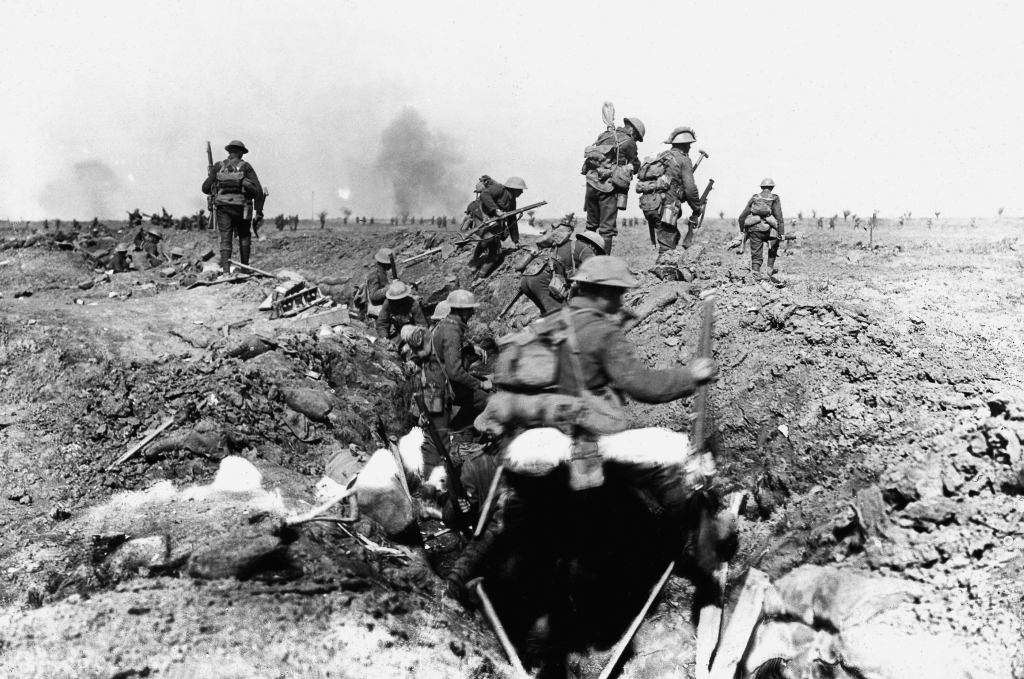
Men fighting in World War I, also known as The Great War, endured a range of intense physical and psychological stressors. They faced constant fear, anxiety, the ever-present threat of enemy attacks, and harsh conditions including inadequate nutrition and unsanitary environments. Among the many afflictions soldiers grappled with, one particularly notable but less commonly discussed condition was necrotizing ulcerative gingivitis (NUG), more widely known as “trench mouth.” This painful and debilitating disease earned its name due to its prevalence among soldiers in the trenches, where poor hygiene and extreme stress took a toll on their oral health.
Trench mouth typically develops when poor diet and inadequate personal hygiene are combined. It is also believed that extreme stress can weaken the immune system, making individuals more vulnerable to the condition. This non-contagious disease occurs when anaerobic bacteria invade the deep tissues of the gums. The resulting infection can lead to a range of symptoms, including bad breath (halitosis), pain, swollen lymph nodes, gum bleeding, and painful ulcers. In severe cases, if left untreated, trench mouth can even cause the breakdown of bone and tissue death. The ulcers that would form and the swollen throats made eating uncomfortable and troublesome.

During World War I, treatment for trench mouth was minimal at best, as soldiers’ painful gum conditions were not a priority amidst the broader chaos of the war. Most soldiers received basic care, such as compresses and hydrogen peroxide mouth rinses, but these measures did little to address the underlying infection. Today, NUG is still treated with hydrogen peroxide rinses, but it is typically accompanied by strong antibiotic regimens and a greater emphasis on maintaining proper oral hygiene. In severe cases, the necrotic tissue may need to be surgically removed.
Though trench mouth is less common in modern times, it remains a concern in developing countries where poor nutrition and limited access to medical care are prevalent. It is worth noting that NUG existed long before World War I, with numerous cases documented in medical journals. However, the harsh conditions of the trenches made trench mouth a widespread issue for soldiers, leading to its association with the war. The condition became so commonly linked with the trenches that soldiers even began to refer to it alongside trench foot, calling it “trench mouth” or “foot and mouth disease.”
While treatable, trench mouth can be quite unpleasant—not only for those suffering from it but also for anyone unfortunate enough to interact with the affected individual. The best way to avoid such complications is to maintain a regular and thorough dental hygiene routine.
Until Next Time
N.F.
Sources:
- “The Causes & Treatment if Trench Mouth.” Roads to the Great War. 5 January, 2015. Accessed 8 January, 2025. https://roadstothegreatwar-ww1.blogspot.com/2015/01/the-causes-and-treatment-of-trench-mouth.html.
- “Trench Mouth-Meaning, pictures, WWI, Causes, Tongue, Treatment, Symptoms, Diagnosis.” Dentalfreak.com. 12 July, 2023. Accessed 8 January, 2025. Dentalfreak.com/trench-mouth/.
- “Trench Mouth- The Great War Periodontal Disease.” EFP. 12 November, 2014. Accessed 8 January, 2025. Efp.org/news-events/news/trench-mouth-the-great-war-periodontal-disease-298541.

 Antiquated Antidotes