The alley is shrouded in darkness, quiet and desolate. A figure cloaked in shadow steps forward, his hand extended. In silence, an envelope changes hands, and just as quickly, the mysterious man fades back into the night. The transaction is complete, and a bride will soon be found. Within a day or two, the grieving family will receive their deliverance: a dead bride, who will be dressed and prepared for a peculiar ceremony, one that ensures their departed son will never be alone in the afterlife. At the wedding, no one will question the origins of the bride, nor give a second thought to the shadowy figure who supplied her.
Chinese culture is deeply rooted in beliefs surrounding ancestry worship, and one of the more unique traditions is the practice of ghost weddings. This ritual stems from the belief that deceased, unmarried sons are doomed to an eternity of loneliness if their families do not find a bride for them in the afterlife. It falls to the surviving family members to arrange this special union. Failing to do so is seen as a profound disrespect to the deceased, and it is believed to bring misfortune upon the living.
The gender imbalance in China, with more men than women, has only heightened the demand for brides. Before 2006, when the sale of corpses was made illegal, bodies of women were often purchased from hospitals, morgues, or directly from families. In cases where such bodies were unavailable, they were sometimes stolen from graves. In the most tragic instances, women were murdered for the purpose of selling their bodies for profit.
A similar death practice is observed in Taiwan and involves women needing husbands. One method of selecting a partner involved an item of the deceased woman being left in public. The man who picks up the item is then expected to accept the responsibility of becoming her husband. In most cases, this ghost wedding does not prevent the man from marrying a living woman afterward, but he is expected to honor his deceased wife with the reverence and respect typically afforded to a first wife.
The concept of ghost weddings as explored by Jan Jakob Maria de Groot in 1892, reflects an intriguing evolution of ancient burial customs. These practices, which once involved the sacrifice of surviving wives and slaves to accompany a deceased patriarch into the afterlife, were rooted in the belief that the deceased would require continued service in the spirit world. Over time these practices evolved into the more symbolic tradition of ghost weddings. Instead of a physical sacrifice, these ceremonies involved the marriage of a deceased man to a deceased woman, or occasionally, a living individual might be “married” to someone who had passed. This shift allowed the tradition to persist while also aligning with changing societal values that no longer condoned murder in the name of ritual.
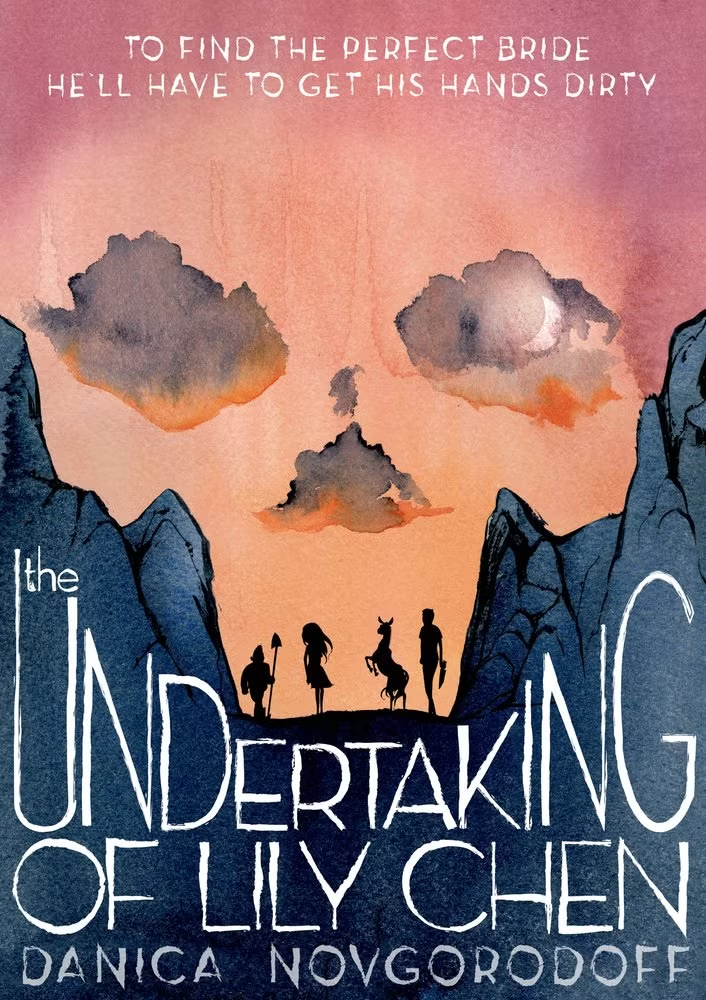
If you, like me, enjoy an engrossing graphic novel, then I would highly recommend you check out The Undertaking of Lily Chen by Danica Novgorodoff. The book tells the story of a man caught between what he wants and what he is obligated to do. After the sudden death of his older brother, his family tasks him with finding a corpse bride. The illustrations are hauntingly beautiful and the story offers some insight into the weight of the emotional toll that such a custom put on the loved ones left behind.
Until Next Time
N.F
Sources:
- “China’s Ghost Weddings and Why They Can be Deadly.” BBC. 24 August, 2-16. Accessed 15 January, 2025. Bbc.com/news/world-asia-china-37103447.
- Dawson, David. “Dead When Wed: Ghost Marriages in China.” The World of China. 13 September, 2015. Accessed 15 January, 2025. Theworldofchinese.com/2015/09/dead-when-wed-ghost-marriages-in-china.
- Novgorodoff, Danica. The Undertaking of Lily Chen. March, 2014. Accessed 12 January, 2025. Print.

 Antiquated Antidotes