Shiro Ishii, a Japanese medical officer and microbiologist, is often compared to the infamous Nazi SS doctor, Josef Mengele, due to the horrific war crimes he committed in the name of science. After World War I, Ishii became obsessed with biological warfare, believing that its prohibition was proof of its effectiveness. Driven by extreme nationalism, he sought to ensure Japan’s dominance by mastering the use of biological weapons to devastate its enemies.
As the head of Unit 731, a secret biological and chemical warfare research facility, Ishii oversaw inhumane experiments on human subjects. It’s estimated that over 400,000 people perished as a result of Unit 731’s actions between 1936 and 1945. After WWII, Ishii would go on to be granted full immunity by the U.S. government in exchange for the results of his experiments. Shiro Ishii was never punished for his actions and lived to 67.
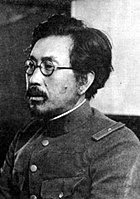
Shiro Ishii was born in 1892 as the fourth son of a wealthy landowner and sake brewer. He attended Kyoto University, where he developed a strong interest in military science. Known for his cruelty and arrogance, he was well-liked by his superiors but widely despised by his peers, as he often went out of his way to undermine others to elevate himself.
In 1921, Ishii was commissioned as a medical officer in the Imperial Japanese Army. Ambitious and highly driven, he quickly advanced through the ranks, earning a promotion to Army Surgeon, Second Class, by 1925. By 1927, he began aggressively advocating for the establishment of a biological weapons program, believing it to be the future of warfare. To bolster his knowledge, he toured Western nations for two years, studying biological warfare methods.
Ishii’s influence continued to grow, and in 1935, he was promoted to Senior Army Surgeon, Second Class. On August 1, 1936, he was formally placed in charge of Unit 731, a top-secret biological and chemical warfare research facility. Following Japan’s invasion of Manchuria in 1931, Unit 731 conducted horrific experiments on Chinese prisoners, using them as human test subjects in the pursuit of biological warfare advancements.
Unit 731 operated under the guise of a lumber mill, with prisoners dehumanized by being referred to as “logs.” This cruel terminology helped desensitize the staff, allowing them to see their victims as mere test subjects rather than human beings.
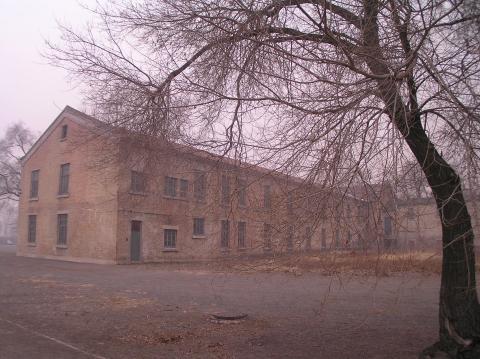
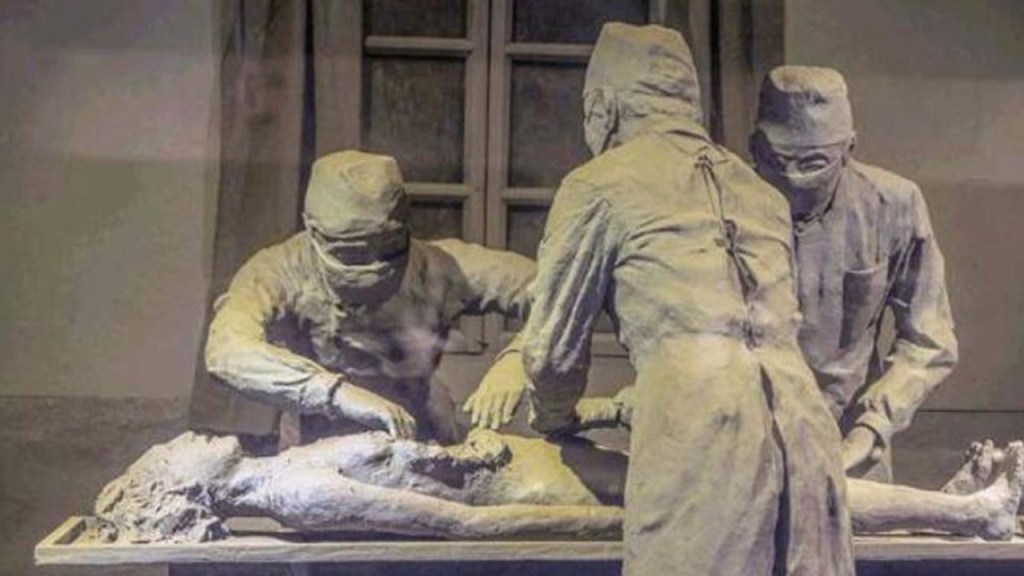
During its years of operation, the facility carried out a vast array of inhumane experiments. Prisoners were deliberately infected with deadly diseases, poisoned through contaminated food, and subjected to bombings in densely populated areas to study biological weapon effectiveness. They were exposed to extreme conditions, including high-pressure environments, forced seawater consumption, and prolonged bleeding. There are even reported instanced where chocolates laced with anthrax were given to local children. Many underwent live vivisections without anesthesia to observe disease progression in real time.
Unit 731 also conducted extensive frostbite experiments. Prisoners were left exposed to subzero temperatures until their limbs were frozen solid, after which various treatments were tested in an effort to improve survival rates for Japanese soldiers facing harsh winter conditions. Infected wheat and disease-carrying rats were also strategically released into populations to assess the spread and lethality of biological warfare agents.
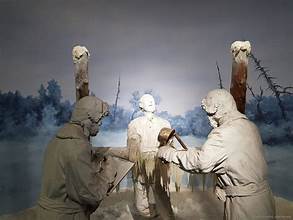
These brutal experiments led to the deaths of thousands and demonstrated a complete disregard for human life, all in pursuit of scientific and military advancements.
The unspeakable horrors of Unit 731 finally came to an end in 1945 with Japan’s surrender. In a desperate attempt to cover up their crimes, the staff destroyed countless records, but the truth could not be completely erased. Survivors and escapees later revealed the gruesome details of what had transpired behind the facility’s walls.
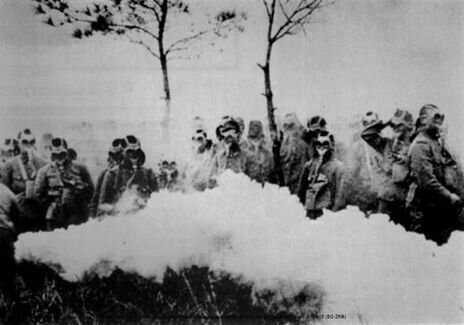
Despite the unimaginable suffering he inflicted, Shiro Ishii was never held accountable for his actions. Instead of facing justice, he was granted full immunity by the United States in exchange for his research. Eager to gain biological warfare knowledge without conducting their own experiments, U.S. officials prioritized Ishii’s findings over prosecuting him for his crimes. As a result, he lived out his life in peace, never answering for the atrocities he oversaw.
Until Next time
N.F
Sources:
- Edwards, Elisabeth. “Shiro Ishii and The Dark Legacy of Japan’s Unit 731.” WarHistoryOnline. April 17, 2024. Accessed 11 February, 2025. https://www.warhistoryonline.com/world-war-ii/shiro-ishii-unit-731.html
- Lenoir, Andrew. “The Twisted Story of Shiro Ishii, The Josef Mengele of World War 2 Japan. Allthatsinteresting. November 24,2020. Accessed 11 February, 2025. https://allthatsinteresting.com/shiro-ishii-unit-731.

 Antiquated Antidotes