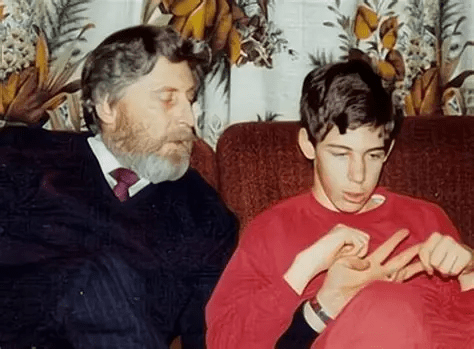
Martin Pistorius once referred to himself as the “Ghost Boy” after a mysterious illness left him fully conscious yet trapped inside his own body—unable to speak, move, or communicate with the outside world for years. Before becoming ill in January of 1988, Martin was like any other school-aged boy. He liked building with Legos, was talented with electronics, and adored his small yellow dog, Pookie. One day, he came home from school with a sore throat, unknowing that his life would be forever altered from that point on.
With each passing day, Martin’s body grew weaker. He became forgetful, unable to form words, and unable to control his limbs. Doctors could not figure out what had happened to turn a happy boy’s world upside down, but they knew that whatever was causing the illness was going to run its course. Martin’s family stood by for years as their son deteriorated. They were told to prepare themselves for Martin to die, but he didn’t die. After about a year at home, his family decided to send him to a care home throughout the day. Martin stayed in a vegetative state from 12-16 years old. He began “awakening” and regaining consciousness around 16 and became fully aware about age 19. Although awake and aware, his body did not allow him to communicate to others around him. Left unable to control anything other than his eye movements, Martin remained in a paralyzed state known as locked-in syndrome, for years.
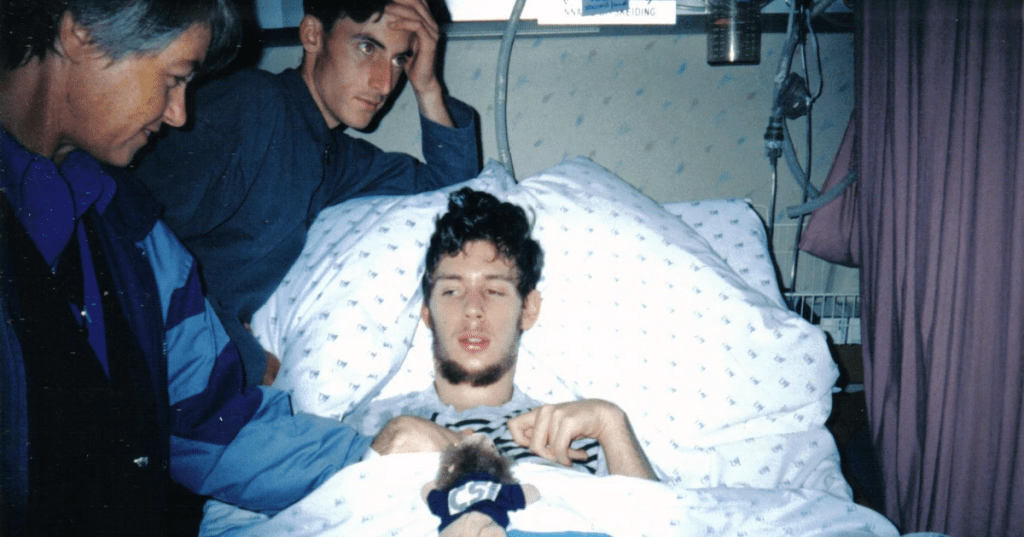
During those years he was unable to tell others when he was in pain, when he was hungry, or that he needed a drink. In his book, Ghost Boy, Martin compares his existence to that of a ghost who is still lingering around but whom no one notices. Essentially, he had come back from the dead but was still seen as lifeless to everyone else around him. Martin, viewed by some as no more than an object in the room, overheard a lot during those years. He suffered abuse by the hands of caretakers at the care facilities. Some women sexually exploited him, while others shoved rotten food in his mouth and laughed at his inability to do anything about it.
“I’d been put into a box long before, after all. Each of us has. Are you the “difficult” child or the “histrionic” lover, the “argumentative” sibling or the “long-suffering” spouse? Boxes make us easier to understand, but they also imprison us because people don’t see past them.” – Ghost Boy
Martin would try to pass time using his imagination. After first coming back to consciousness, he would try frequently to get the attention of his family members. But after endless failures to capture their attention, Martin became hopelessly resigned to this existence. It wasn’t until a caregiver of his, Virna van der Walt, noticed that he could use his eyes to communicate with her. She was certain that Martin was in there, and convinced Martin’s family to take him to see a specialist.
“And it was then that I realized that families might be the ones who pick us up time and again but strangers can also rescue us—even if they don’t know they’re doing so.”- Ghost boy
Martin was taken to the Centre for Augmentative and Alternative Communication at the University of Pretoria. The specialists determined that Martin was conscious and would be able to communicate using communication devices. His family worked tirelessly to get Martin the best computer and speech programs. Him and his mother would train on the programs for hours a day, adding words to Martin’s vocabulary. With this new technology, Martin’s life burst open immediately.
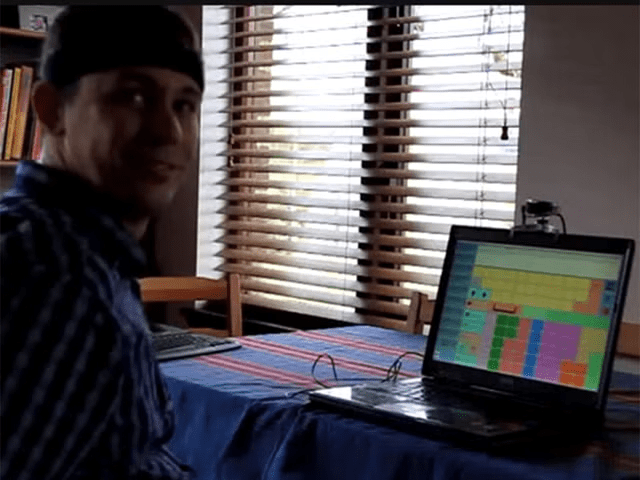
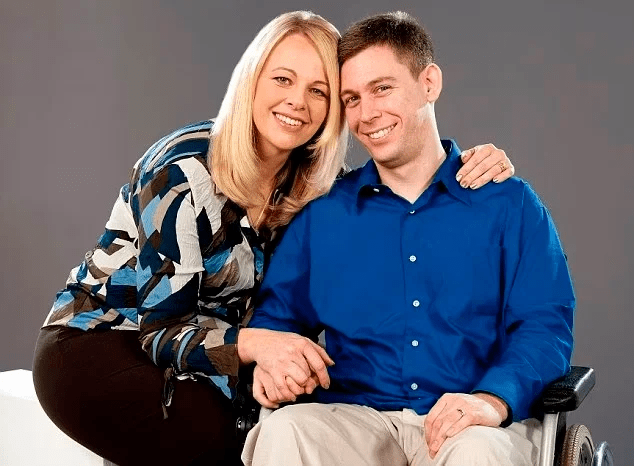
He was able to share his thoughts, needs, and concerns with others! He was also able to share himself with the world. People were inspired by his story and his talents with electronics were noticed. He was able to work on fixing computer problems and was tasked with testing and developing communicative programs for companies. He was making friends and interacting with the world as an adult man for the first time in his life. In 2008, Martin met his wife, Joanna, and the pair fell in love. He moved to the UK to be with her and the pair got married in 2009. They have a son together, Sebastian Albert Pistorius. Martin continues to give speeches around the world and has shared his story of triumph in his international bestselling book, Ghost Boy. Martin Pistorius’ journey reminds us that hope can endure even in life’s darkest moments. We are invited to always lead with compassion, because you never know who is sitting there just waiting to be seen and heard.

“Dreams can be any size you want them to be. But the important thing is that you have one that is yours.”- Ghost boy
If you haven’t read his book, I would highly recommend you give it a read.
Pistorius, Martin. Ghost Boy: The Miraculous Escape of a Misdiagnosed Boy Trapped Inside His Own Body. Nelson Books, 2013, TN.
Until next time
N.G.

 Antiquated Antidotes