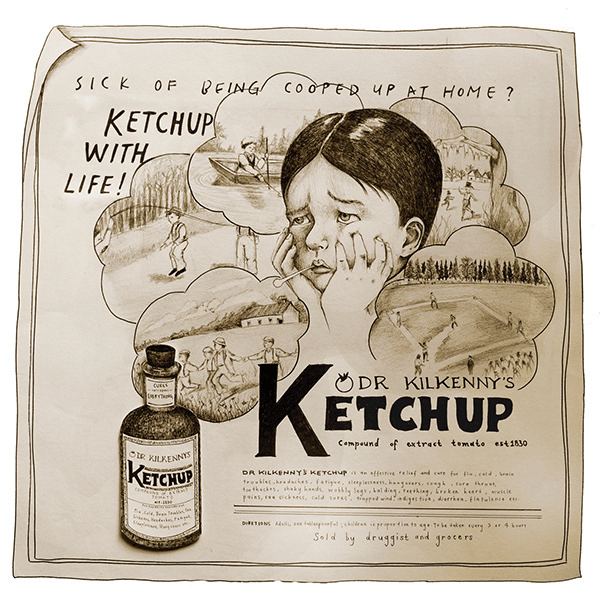
Ketchup is beloved by many all over the world for the savory flavor it adds to foods. The condiment is so popular today that it can be found in 97% of U.S. homes year-round. Although ketchup is incredibly tasty, one of the original uses for this condiment wasn’t to jazz up culinary dishes, rather, ketchup was a very popular medicine in the 19th century.
Ancient China is where ketchup is believed to have originated from. The sauce was prepared using soybeans, spices, fish, and meat. The brown fish sauce was well loved in Southeast Asia. Through trade routes it found itself in the hands of Europeans by the 1700s who began experimenting with the recipe. They added mushrooms, beer, oysters, walnuts, and other goodies. Just about every cook had their own method of making ketchup, or catsup, as it was originally termed. You may be surprised to discover that ketchup didn’t contain tomatoes until 1812 when James Mease of Philadelphia, Pennsylvania, thought to add the exotic fruit. The issue though is that the concoction spoiled very quickly. In 1876 Henry Heinz, developed a recipe and clear glass bottle design for ketchup that kept it from spoiling quickly. The product has since become a staple in the kitchen and the Heinz company continues to this day to be the most popular ketchup brand globally.
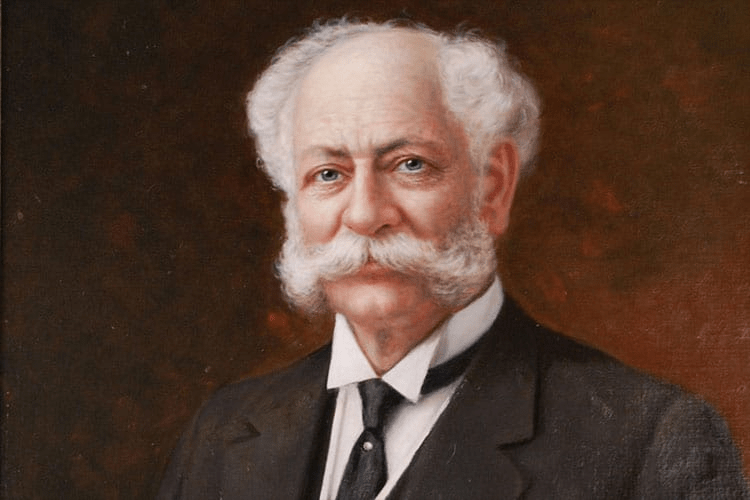
So where does the medicine part come in? The 19th century is known for its quick cures and snake oil sellers. Salesmen were willing to say just about anything to turn a profit. Dr. John Cook Bennett was no exception when he started a business in 1834 selling ketchup as medicine. He claimed that it could cure everything from indigestion to rheumatism and sore throats. His ketchup was made into pills that he sold to the public and his business was incredibly successful. Imitators saw his achievement and wanted a piece of it for themselves. They began making their own ketchup medicines. The health benefit claims became more and more extreme; some insisting it could go so far as to help heal broken bones. The public grew distrustful of ketchup as a medicine and stopped buying into the hype by the 1850s. People still enjoyed the taste of it though so it stuck as a food item rather than a most magical cure-all. Tomatoes are healthy for you, but don’t go eating one expecting your bones to instantly mend or your cough to go away. Wouldn’t it really be something though to cure your aches and pains by eating french fries with a side of ketchup?

Until Next Time
N.F.


Nastassia- Fun to learn and readâ¦as always!
Sending well wishes for the coming year.
Love, Aunt Wendy
Wendy Axelrod PhD
Executive Coach, Mentor Coach, Author
C: 215 837 6198
W: http://www.WendyAxelrodPhD.com
Cited in Forbes Inc as one of the top 20 books in Coaching and Mentoring.
[cid:image001.png@01DA3DA4.B95F91B0] [cid:image002.png@01DA3DA4.B95F91B0] [https://docs.google.com/uc?export=download&id=15lzyeUUIZjCtsBi6sekkiK2hfQgPs6rI&revid=0B77RywV5TcOFSjVpYVRQdldzdXNLbTk1YzlEVCtoeWtDWTlJPQ] https://www.conversationalintelligence.com/
LikeLike